Start A Backyard Bird Business
Start A Backyard Bird Business

Popular Pet Birds
Here’s an idea. Have you considered starting your own backyard bird business? Before you put much thought into it, let me tell you why I think it is a great income opportunity that can produce a great return either as a part-time or full-time venture.
Pet birds – and we mean the small breed kind – have a short lifespan. This contributes to the demand as bird lovers typically replace their feathered friends many times over. The top choices for pet bird breeders are parakeets, cockatiels, Zebra finches and lovebirds with parakeets the most popular.
As each of these types of birds will breed twelve months out of the year, under the correct breeding conditions, you can have a monthly income.
This fact also contributes to the ease in which starting a backyard bird business can be. When you understand the breeding cycle – they reach sexual maturity between four and eight months and can breed between three and ten years – you can develop a regular cycle of breeding.
This fact also contributes to the ease in which starting a backyard bird business can be. When you understand the breeding cycle – they reach sexual maturity between four and eight months and can breed between three and ten years – you can develop a regular cycle of breeding.
Add to this that the average clutch will number between four and six eggs and that a producing pair of birds will have between four and six clutches per year and that the chicks can be sold as early as six to twelve weeks of age and you can see there is potential.
Did we mention you don’t need to be a rocket scientist to do this, either?
As each breeding pair raises their own young, you essentially need nesting boxes, food sources and temperature control in order to launch a backyard bird business. You don’t even need a backyard as a storeroom or spare space is sufficient during your initial start up phase.
Due to changes in importation regulations the federal government is slowly phasing out the movement of exotic birds into North America from other parts of the world. This opens up a huge market for small bird breeding operations. Plus, there is no such thing as a giant corporate breeding company which is another incentive.
As it turns out, the majority of pet stores in the nation are supplied with pet birds by small local or regional breeders and this means you can also get into the action. The profit margin is great as the birds you can breed would be sold when they are still very young. There is no specific climate that is required as the breeding rooms would be in a temperature controlled environment created in a room or other indoor space.
All you really need to do to ensure steady sales is to be located somewhere near a major airport. That is because many of your sales will not be to customers in your local market but to pet stores or bird owners in locations where you would have to air freight the birds.
As for what you can earn, many part-time breeders make between $500 and $2,000 per month. A full time breeder can earn more than $50,000 per year. If you choose to become a breeder/wholesaler/distributor you can expect to generate more than $100,000 in revenue on an annual basis.
It is also something that has been around for a long time. Bird breeders have existed for centuries and have always seen profits due to the demand that has never waned.
If you are looking for an easy and enriching part-time or full-time opportunity that takes little time, allows you a lot of freedom and generates a good income, starting a backyard bird business could be the right choice for you.
How to Raise Parrots for Profit
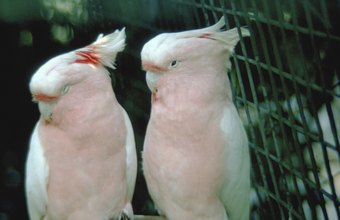
Raising parrots can be both challenging and rewarding. Making a profit from breeding birds takes time, and some species only breed one time each year. Adequate housing, good nutrition and maintaining a sanitary environment are crucial to success, as avian diseases can spread rapidly through an aviary that is not properly cared for.
Breeding Stock
Careful research is needed to determine the best species of parrots to raise. Factors to consider when choosing the types of birds to raise include climate, housing requirements, breeding seasons and the average number of chicks the species tends to produce on a yearly basis. Supply and demand plays a part in the value of the parrots you raise. Typically, the fewer offspring a species produces, the higher the value of the birds. Birds that are easy to breed and produce a larger quantity of offspring will be less costly to purchase. Also keep in mind that some species will not breed if mixed with other types of birds in the aviary.
Some parrots, like Amazons and cockatoos, are unable to be sexed visually. Unless you completely trust the breeder you are purchasing birds from, be sure to request DNA testing to be certain you are buying a male and female pair. DNA testing requires a small blood sample and is fairly inexpensive to have done.
Housing
Unless you are breeding just a few pairs or focusing only on small species of parrots, you will likely want to build an aviary outside of your home. Depending on your climate, this may be an outdoor aviary or a separate building on your property. Temperature control, lighting and ventilation are the most important elements to consider when designing your aviary.
Before you begin building an aviary, be sure to determine what species you will breed and what housing requirements must be met for successful breeding. Most breeders prefer to cage each pair of parrots individually. A nest box is hung on the outside of the cage for the hen to lay eggs and raise the young birds. See Resources for a checklist of items to research for your chosen breed before you begin to construct an aviary.
Hand feeding
In order for a parrot to be friendly and socialized, it must be taken from its parents and hand fed formula. This is done when the youngest baby from the clutch is about two weeks old. Hand feeding is a very labor intensive undertaking, and if not done properly can have deadly results. If you have never hand fed parrots before, find another local breeder who can teach you how to properly hand feed before your first babies hatch.
While most parrots will raise their offspring if provided the opportunity to do so, it is very difficult to tame a parent-raised young bird. Because hand fed parrots make friendly and outgoing pets, hand feeding your babies will result in much higher profit margins.
Sales
Opportunities for selling your young birds will vary, depending on the number of babies your pairs produce. Breeders often sell wholesale to pet stores or brokers, attend bird fairs or bird shows to sell to the public, or sell directly to the public from home. Placing online advertisements, ads in local papers and signs at pet stores are ways for the general public to learn about your birds.
With this simple guide you can start making money now!
Comentários
Enviar um comentário